What Is Statistical Process Control?
Statistical process control is disciplined monitoring with time-ordered data.
It asks whether current data still look like they came from the same stable process used to set chart limits.[1]
Prerequisites
Prerequisites: none.
Definition
SPC combines:
- Control: act on a process only when evidence supports action.
- Statistics: use data, variation, and probability instead of isolated impressions.
- Process thinking: treat output like the result of system causes.
SPC is useful because it prevents two costly errors: ignoring real process changes and overreacting to common-cause variation.
What SPC Does
- Detects special-cause signals early.
- Supports operator-level monitoring with clear escalation rules.
- Makes improvement work more targeted.
- Provides a stability requirement before process capability studies.
- Helps distinguish process behavior from customer or engineering specifications.
Implementation Notes
- Start with the few characteristics that matter most to customers or safety.
- Define an out-of-control action plan before collecting chart data.
- Use charts where action is possible; charting without response wastes attention.
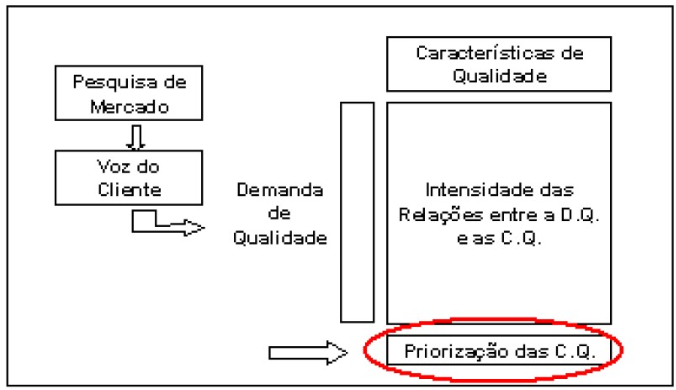
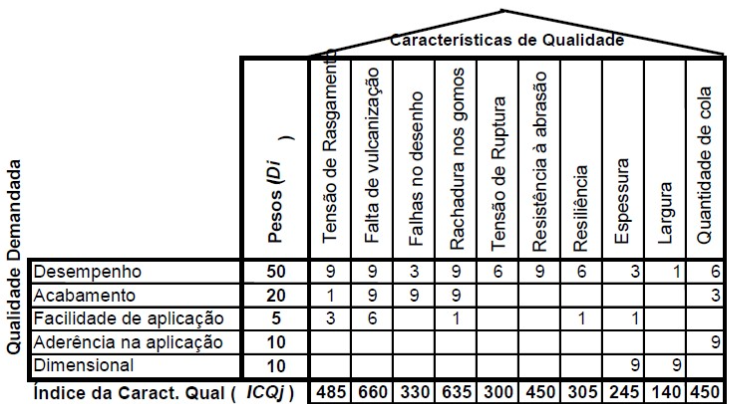
- Use Quality Function Deployment only for planning bridges from customer needs to process characteristics, not instead of control charts.
Worked Example
A brake rotor producer wants to monitor rotor thickness. SPC starts by defining the measurement method, sampling frequency, and chart type. If one rotor is measured every 30 minutes, use an I-MR chart; if five consecutive rotors are sampled from the same short production run, use Xbar-R.
Common Mistakes
- Starting with many charts instead of a few actionable characteristics.
- Calling a process "good" because it is stable even when it misses specifications.
- Calling process behavior "bad" because one value is near a specification limit while chart behavior remains stable.
- Adding QFD matrices without connecting them to measurable control characteristics.
Connections
| Related note | Use |
|---|---|
| Statistical Process Control | Main hub |
| Control charts | Monitoring method |
| Control Limits and Specification Limits | Required distinction |
| Common-Cause and Special-Cause Variation | Required variation language |
| Quality tools | Problem exploration tools |
References
NIST/SEMATECH, e-Handbook of Statistical Methods, "What is Process Control?", https://www.itl.nist.gov/div898/handbook/pmc/section1/pmc13.htm ↩︎